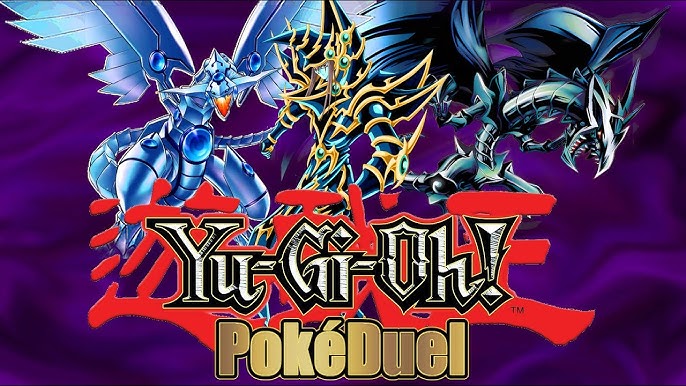
About Yu-Gi-Oh PokeDuel
Yu-Gi-Oh PokeDuel is one of those hacks that instantly catches your eye on concept alone, but the real reason people stick with it is that it has enough depth to carry the idea for a full playthrough.
The simple version is easy: it is a FireRed-based ROM hack where the usual Pokémon are replaced by Yu-Gi-Oh monsters and many of the important trainers are swapped out for Yu-Gi-Oh characters. But once you actually start playing, it becomes clear that the appeal goes beyond the novelty. The hack uses a much more modern battle setup than stock FireRed, and that lifts the whole experience from “fun gimmick” into something that feels properly playable over the long haul.
That modern foundation matters a lot. PokeDuel runs with features ROM hack players usually associate with larger quality-of-life overhauls, so the game feels smoother, less clunky, and much less chained to old GBA limitations. Battles move faster, team building feels more flexible, and you spend less time wrestling the engine and more time enjoying the actual run.
The other big strength is how committed the project is to its theme. PokeDuel does not stop at changing encounter art. The bosses, dialogue, references, maps, and event flow all lean into the Yu-Gi-Oh side of the crossover. That gives the hack its own personality instead of leaving it as “basically FireRed again, but different sprites.”
What makes it feel different once you start
If you know FireRed well, this is the kind of hack where you constantly recognise the skeleton of the game while still feeling like you are on a custom route through it. The region is familiar enough to stay readable, but the moment-to-moment tone is different. Trainers are not just generic swaps, major encounters feel more curated, and the monster roster changes the rhythm of team building in a way that keeps things fresh.
It also has that nice “one more badge” pull that bigger crossover hacks need. You are not only curious about what the next route looks like. You also want to see which Yu-Gi-Oh monsters show up next, which characters are waiting in boss roles, and how the hack keeps twisting a known Pokémon structure into something with a very different flavour.
Main features
Why it lands better than a simple crossover gimmick
You are not just collecting reskinned versions of the same old favourites and moving on autopilot. Learning a different monster pool gives the playthrough a more discovery-driven feel, especially if you like hacks where the team-building side is a big part of the fun.
Big crossover hacks usually live or die on their major fights. PokeDuel leans into Yu-Gi-Oh characters, sharper encounter design, and custom progression beats, which makes those important battles feel like more than simple replacements.
Options like minimal-grind settings, easier move access, nature tools, built-in helpers, and fast quality-of-life systems stop the hack from turning into a slog just because it is ambitious.
You never feel completely lost. The familiar structure of Kanto keeps the hack approachable, while the theme and custom content make it feel different enough to justify the replay.
Difficulty, grind settings, and extra modes
PokeDuel is easy to recommend because it is not locked into one kind of audience. You can set it up for a cleaner casual run, or push the boss battles into something much nastier. That flexibility matters because crossover hacks often scare people off if they only cater to challenge players. This one gives you room to tune the experience.
A more relaxed way to see the crossover content without every boss turning into a full puzzle fight. Good if you mainly want the theme, references, and adventure side.
Bosses scale more intelligently, come in better prepared, and demand more from your team building. This is a nice middle ground if you like modern FireRed hacks with teeth.
The sharpest version of the game, aimed at players who actively want stronger boss teams, cleaner builds, and a much tougher route through the adventure.
How the modes change the vibe
Default mode gives you the straight crossover adventure. Sandbox is there for players who mainly want to experiment, mess around with teams, or learn the monster pool fast. Pack Simulator pushes the hack even further away from a normal FireRed flow by changing how you build your roster. That kind of extra option is a big reason PokeDuel feels like a substantial project rather than a single one-note concept.
What team building feels like in PokeDuel
This is where the game gets its personality. Because you are working with Yu-Gi-Oh monsters instead of the standard Pokédex, every new catch or team tweak feels a bit more exploratory. You are learning the hack on its own terms rather than leaning entirely on old muscle memory. That gives the run a strong sense of forward momentum, especially early on when everything still feels new.
The modern move, ability, and item support helps a lot here too. Team building is not trapped in a basic old-GBA ruleset, so the monster pool gets to do more interesting things. Add the smarter AI and difficulty settings on top, and the game ends up rewarding real attention instead of letting you sleepwalk through every important fight.
For players who like discovering weird favourites, building around an unexpected monster, or trying a different route through a familiar structure, PokeDuel has a lot more staying power than its premise might suggest.
Good fit if you like these kinds of hacks
- Projects with a strong theme that actually changes the whole tone of the adventure.
- FireRed hacks with modern mechanics and less of the original GBA clunk.
- Custom-mon style playthroughs where learning the roster is part of the appeal.
- Boss-focused runs that let you choose whether you want a smoother or nastier challenge.
- Crossover ideas that go all in instead of stopping after the surface-level joke.
Who should play Yu-Gi-Oh PokeDuel
- Yu-Gi-Oh fans who want more than a reference-heavy skin and would rather play a full crossover adventure built around monsters and characters they recognise.
- FireRed players who already know Kanto inside out and want a run that feels familiar enough to read quickly but different enough to stay interesting.
- Modern ROM hack players who like better battle systems, stronger AI, cleaner quality-of-life, and more control over difficulty and grinding.
- Experimenters who enjoy sandbox tools, randomizers, alternate progression styles, and hacks that give you a few ways to approach the same run.
- People tired of bland reskins who want a crossover that has real game design effort behind it.
Frequently asked questions
Is Yu-Gi-Oh PokeDuel still basically FireRed?
At its core, yes. You are still playing through a FireRed-based structure. The difference is that the monster roster, characters, events, presentation, and many of the systems have been pushed so far toward the Yu-Gi-Oh crossover idea that the run ends up feeling very different.
Is this a full crossover adventure or just a cosmetic swap?
It is much closer to a full crossover adventure. The monsters change, but so do the boss identities, dialogue, event flavour, maps, and general tone. That is why it has more staying power than a simple skin replacement.
Does it use modern mechanics?
Yes. PokeDuel uses a modernised FireRed setup with features players usually expect from bigger contemporary ROM hacks, including the physical/special split, Fairy type, updated abilities and items, and other quality-of-life improvements.
Is it too hard for casual players?
Not necessarily. One of the nice things about the hack is that it includes multiple difficulty choices and grind settings, so you can lean into the content without forcing the hardest possible version of the run.
What makes it memorable compared with other FireRed hacks?
The theme is strong, but the bigger answer is that it actually supports the theme with custom content and useful systems. You are not only there for the crossover joke. You are there because the game keeps giving you reasons to care after the first hour.
Is it worth trying even if I am not deep into Yu-Gi-Oh?
Yes, especially if you like custom-mon hacks or FireRed projects with a very distinct identity. Being a Yu-Gi-Oh fan helps, but the real selling point is that the game feels handcrafted and surprisingly substantial.
If you liked this, try these
Want more FireRed hacks with a strong identity, bigger system upgrades, or a custom roster that changes the feel of team building? These are good follow-ups after Yu-Gi-Oh PokeDuel.

A custom-mon project that is great for players who enjoy learning an unfamiliar roster and building teams around brand-new creatures.
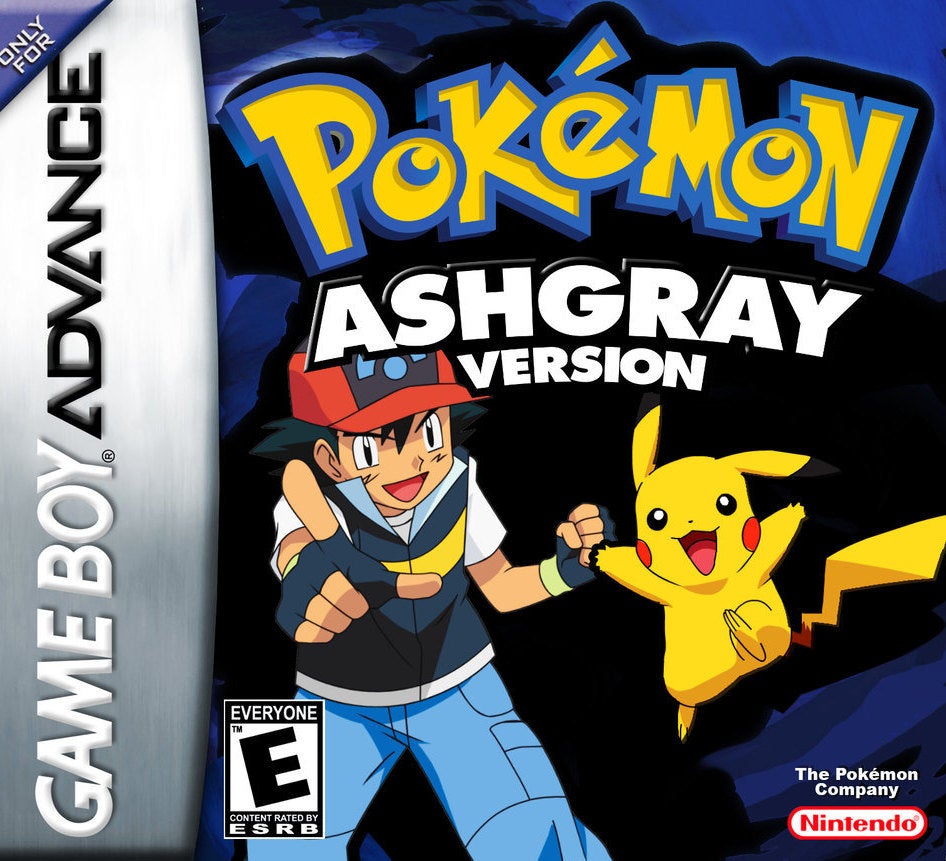
An anime-driven FireRed hack with heavy character flavour and custom events if you want another themed run after PokeDuel.

A much tougher FireRed overhaul for players who love modern mechanics, sharper AI, and stricter team-building decisions.
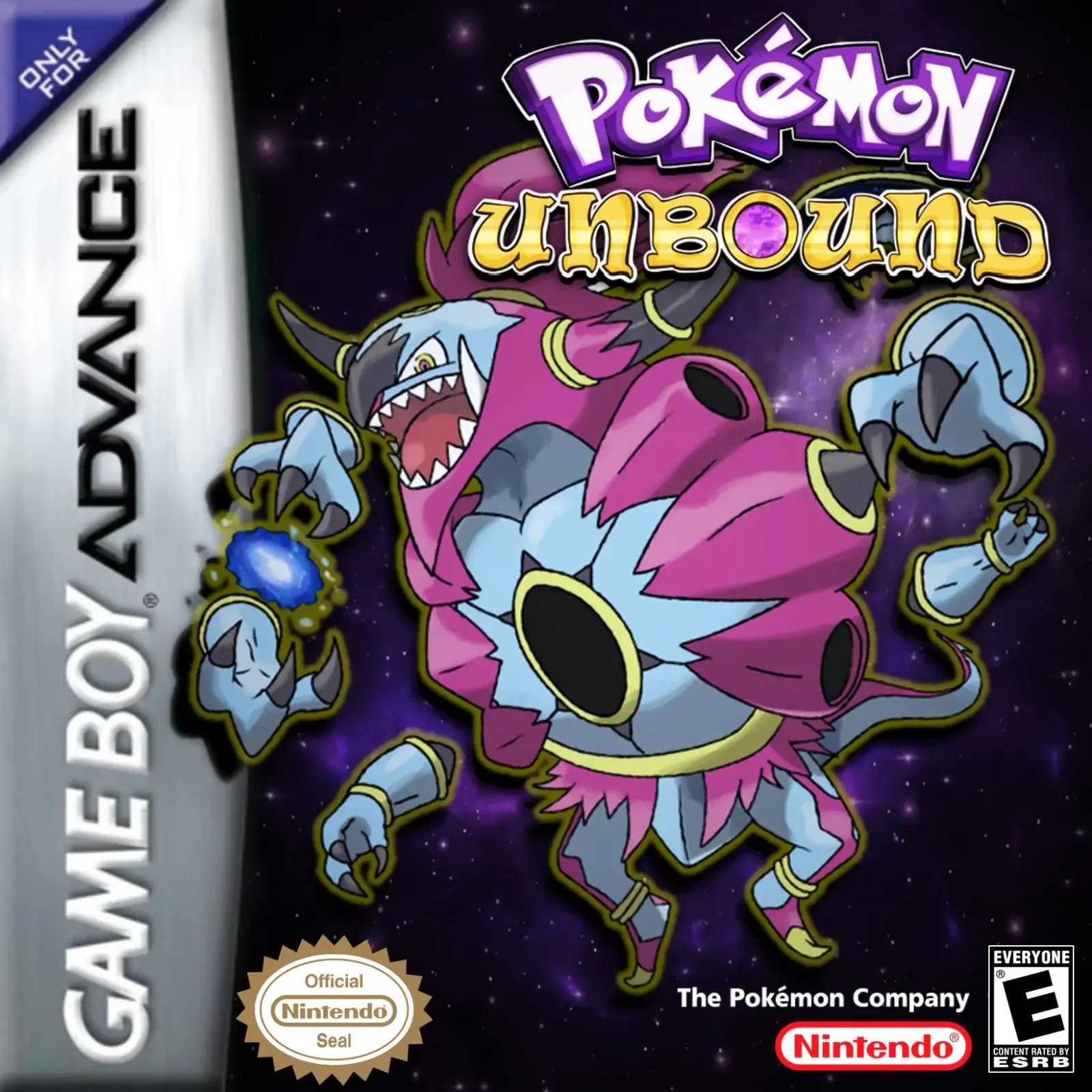
A giant modern adventure with loads of systems, quests, and polish if you want another big feature-rich run.

A classic custom-mon challenge hack for anyone who enjoys the discovery side of learning a completely different roster.
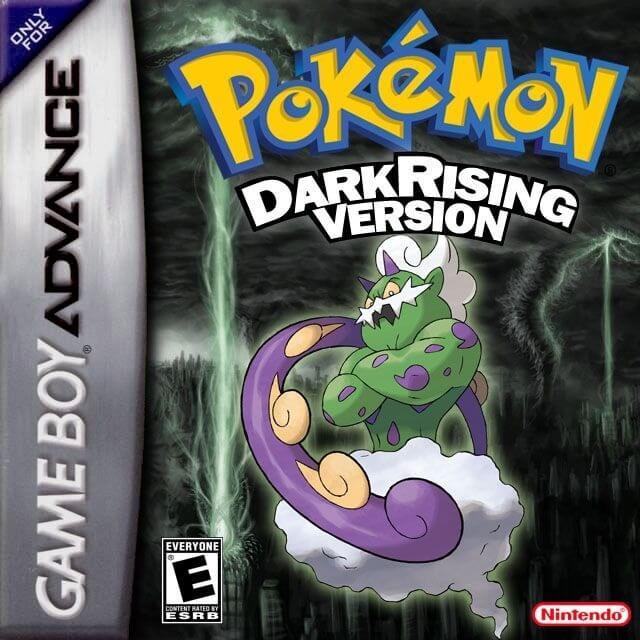
A more dramatic story-heavy FireRed experience if you want something intense after the crossover energy of PokeDuel.

A weird personality-driven hack that also wins by feeling like more than a normal FireRed replay.
A cleaner custom-region adventure with strong pacing if you want to follow the chaos with something sleek and dependable.