Why Emerald Rogue feels different
Run-based designThe first Pokémon ROM hack that earns the word "roguelike" properly — not just harder, genuinely different every time.
Most ROM hacks ask you to follow a handcrafted journey — tougher trainers, tweaked encounters, a new story layer over familiar geography. Emerald Rogue goes the other direction. It takes the battle system Pokémon fans already understand and drops it into a run-based roguelike framework where the tension comes from uncertainty, route planning, and surviving one more fight with limited resources.
That shift makes it feel closer to Hades or Slay the Spire than to a normal Emerald playthrough. Every decision — whether to take a tougher route for better rewards, which Pokémon to catch, when to spend your items — carries weight because you cannot take it back, and the run ends when your team runs out.
Developer Pokabbie has updated the hack across multiple versions. Version 2.0 was a landmark release that added Gen 9 Pokémon, gym leaders and Elite Four from all nine generations, Terastallization, Dynamax, online co-op via a companion app, and an entirely reworked hub progression system.
- Each run asks different team-building questions
- Hub upgrades make every failed attempt still feel productive
- The best decisions are about pathing, not raw level grinding
- Replayability is built into the structure, not tacked on
- Gen 1–9 availability means the roster never feels exhausted
EX version vs Vanilla — which to play
Version guideThe EX version is the recommended experience. Unless you specifically want a Gen 3-only run, start with EX.
⭐ EX (Expanded) — recommended
Built on RH-Hideout's Emerald Expansion. Adds Pokémon from Generations 1–9, Mega Evolution, Z-Moves, Dynamax, Terastallization, the Fairy type, the physical/special split, modern abilities, and new battle items. This is the version that most players and the community refer to when discussing Emerald Rogue.
Standard Pokémon Emerald battle mechanics with no mechanical additions beyond the roguelike structure. No Gen 4+ Pokémon, no modern gimmicks, no PSS. Choose this if you specifically want a pure Gen 3 experience or are testing compatibility.
Three game modes — each plays differently
ModesAll three modes can be played as single or double battles, giving you six base combinations before any difficulty modifiers.
🗺️ Standard
The core roguelike experience. Procedural routes, encounters, and gym leaders. Routes have three difficulty tiers — Calm, Average, and Tough — each with different risk/reward profiles. The definitive way to play.
⚔️ Gauntlet
Build your team, then take on all trainers in one continuous run at level 100. A test of team composition and coverage knowledge rather than resource management. High stakes from the first fight.
🌈 Rainbow
Gym leaders can have any type of Pokémon — their assigned type is discarded. Every gym becomes unpredictable. Removes type-based planning from the gym structure and makes each leader encounter genuinely surprising.
Route difficulty tiers
In Standard mode, every route has a difficulty rating that determines the encounter type and reward density. Choosing harder routes when your team is ready is one of the core skill expressions in Emerald Rogue.
😌 Calm
Fewer trainers, lower-level encounters, safer progress. Choose when healing is low or coverage is thin.
⚡ Average
Balanced risk and reward. Standard trainer density and item quality. The bread-and-butter route type for a run in good shape.
🔥 Tough
More trainers, stronger encounters, richer rewards. Best when your team is well-covered and you want to accelerate power.
How a run actually works
Core loopThe structure is simple — the decisions inside it are what make it addictive.
Start from the hub
Choose your starter (expanded by hub unlocks over time), equip any permanent items you have bought, and head into the run. Your starting conditions improve the more you have invested in the hub between sessions.
Navigate procedural routes
Each route is procedurally selected — Calm, Average, or Tough — with its own encounter pool, trainer density, and reward quality. You choose which type to enter based on your team's current state and how much risk you can absorb.
Face a random gym leader
After a set number of routes, you face a gym leader with a procedurally chosen team matching their type. After your first run clear, gym leaders and Elite Four from all nine generations become available — Giovanni, Silver, Cynthia, Leon, and more can all appear.
Adapt, patch weaknesses, survive
Strong runs are rarely perfect. You catch coverage Pokémon, use shop items strategically, and work around what the run hands you rather than chasing the same team every time. Rival trainers can also appear mid-run — stay prepared.
Return to the hub — win or lose
Reaching the Champion and winning completes the run. Wiping out ends it too. Either way, you return to the hub with progress. Quest rewards and run depth unlock new buildings, NPCs, and options for future attempts.
The hub town — permanent progression between runs
Long-term loopThe hub is what separates Emerald Rogue from a pure randomiser. Every run — win or lose — builds toward something.
When a run ends, you return to the hub — a town that grows and expands over time. Early on it offers basic shopping. As you complete quests and push deeper into runs, new buildings and NPCs appear: shops with better inventories, a Safari Zone for catching new starters, berry farms, item merchants, and config options for customising future runs.
Everything you buy in the hub carries into your next run. TMs, potions, berries, and rare items purchased between sessions make subsequent runs start from a better baseline. This is the system that gives Emerald Rogue its sense of momentum — you are not just failing and restarting, you are investing in a stronger future attempt every time the screen goes back to the hub.
- Expanded item shops with better inventories
- Safari Zone — catch new Pokémon to use as run starters
- Berry farm and advanced item merchants
- Config house — toggle Pokédex availability, gym leader pools, difficulty modifiers
- Quest board — complete objectives for hub expansion rewards
- Permadeath — make permanent what the roguelike already implies
- Level caps — add structure to how quickly your team can grow
- Battle format toggle — single or double for any mode
- Pokédex range — control which generations are available in a run
- Gym leader pool — standard regional leaders, all-gen, or custom
Best early priorities for new players
Start strongerThe easiest way to enjoy Emerald Rogue is to stop treating early runs like all-or-nothing attempts.
Early on, reliable coverage, healing access, and safer pathing matter more than gambling on flashy late-run power spikes. A Calm route with a full team beats a Tough route that wipes you out.
Bulky pivots, status spreaders, and Pokémon with dependable abilities often carry runs better than pure glass-cannon picks. A Pokémon that can switch in safely is worth more than one that can only go first.
Ask whether this route choice leaves you better prepared for the next challenge — not just whether it is the most exciting option right now. Healing availability and coverage gaps matter as much as raw power.
Trying to force a "perfect" team too early. Emerald Rogue rewards adaptability. A strong, balanced run built from what the game offers consistently outperforms a greedy run waiting on dream encounters that may never appear.
Use early runs to learn path types, evaluate shop value, spot safe team upgrades, and understand which hub systems pay off fastest. Every run teaches you something even when it ends badly.
What makes Emerald Rogue one of the most replayable hacks around
Replay valueThis is the part most Pokémon hacks struggle with. Emerald Rogue nails it because the replayability is structural, not cosmetic.
- You are not replaying the same campaign with self-imposed rules — the structure itself changes.
- Procedural routes keep planning meaningful every single run.
- Permanent progression gives repeat sessions real momentum even after losses.
- It rewards game knowledge without ever becoming fully solved.
- Gen 1–9 availability means the team variety never runs dry.
- Three modes, single/double toggles, and difficulty modifiers let you customise the experience.
- Roguelikes and run-based progression systems
- Building teams around imperfect, varied options
- High challenge with long-term unlocks that feel earned
- Coming back for "one more run" across dozens of sessions
- The tension of permadeath applied to Pokémon battles
Emerald Rogue FAQ
Quick answersWhat is Pokémon Emerald Rogue?
A roguelike Pokémon Emerald ROM hack by developer Pokabbie. Every run is procedurally generated — routes, encounters, gym leaders, shops, and items all change between attempts. A permanent hub town upgrades between sessions. The EX version adds Gen 1–9 Pokémon, Mega Evolution, Z-Moves, Dynamax, Terastallization, the Fairy type, and the physical/special split.
EX version or Vanilla — which should I play?
EX is the recommended version. It adds all the modern Pokémon mechanics and the full Gen 1–9 roster. Vanilla uses only standard Emerald battle mechanics with no additions beyond the roguelike structure. Start with EX unless you specifically want a Gen 3-only experience.
Is every run different?
Yes — that is the whole design. Routes, wild encounters, gym leaders, shop inventories, and bosses are all procedurally selected each run. After your first clear, gym leaders and Elite Four from all nine generations become available, dramatically expanding the variety.
What are the three game modes?
Standard is the core roguelike experience with procedural routes. Gauntlet has you build a team then face all trainers at level 100. Rainbow mode gives gym leaders randomised types instead of their assigned ones. All three modes work with single or double battle format.
Do failed runs still matter?
Yes. Failed runs contribute to hub progression — completing quests and pushing deeper into runs unlocks new hub buildings, NPCs, shops, and starter options. Every session moves something forward even when you wipe.
Is there online co-op?
Yes. The RogueAssistant companion app (used with mGBA) lets you connect to another player's game, visit their hub, trade Pokémon, and run adventures together. This is a relatively recent feature introduced in version 2.0.
Can I play it in browser on RomHaven?
Yes. This page links directly to the browser-based Emerald Rogue build so you can start a run on desktop or mobile without any setup.
More ROM hacks worth playing
Related gamesDifferent styles — all worth your time after Emerald Rogue.
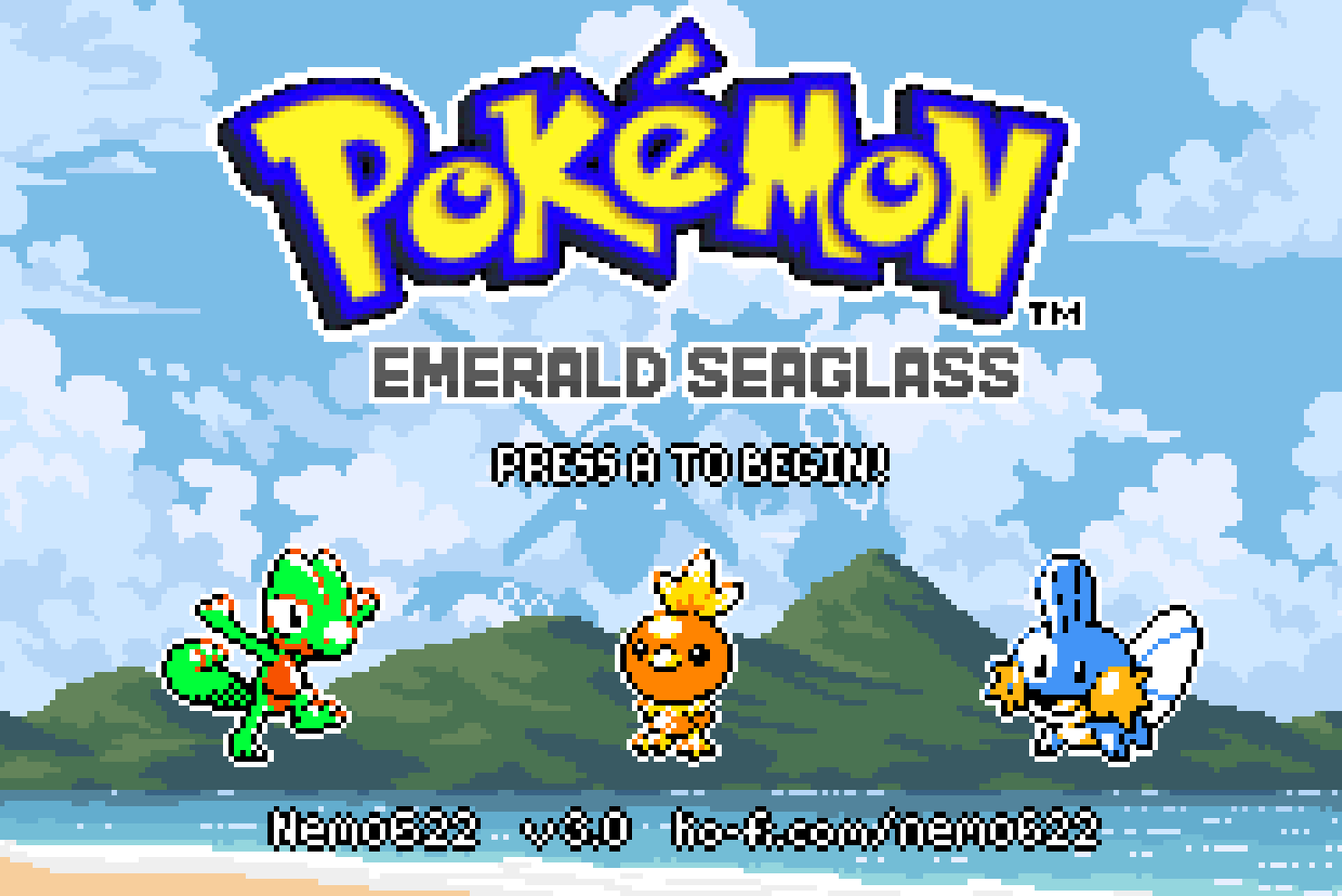
A cosy GBC-style Hoenn overhaul with following Pokémon, Scuba Safari, Pinball, and a Wishing Well. Warm and accessible.
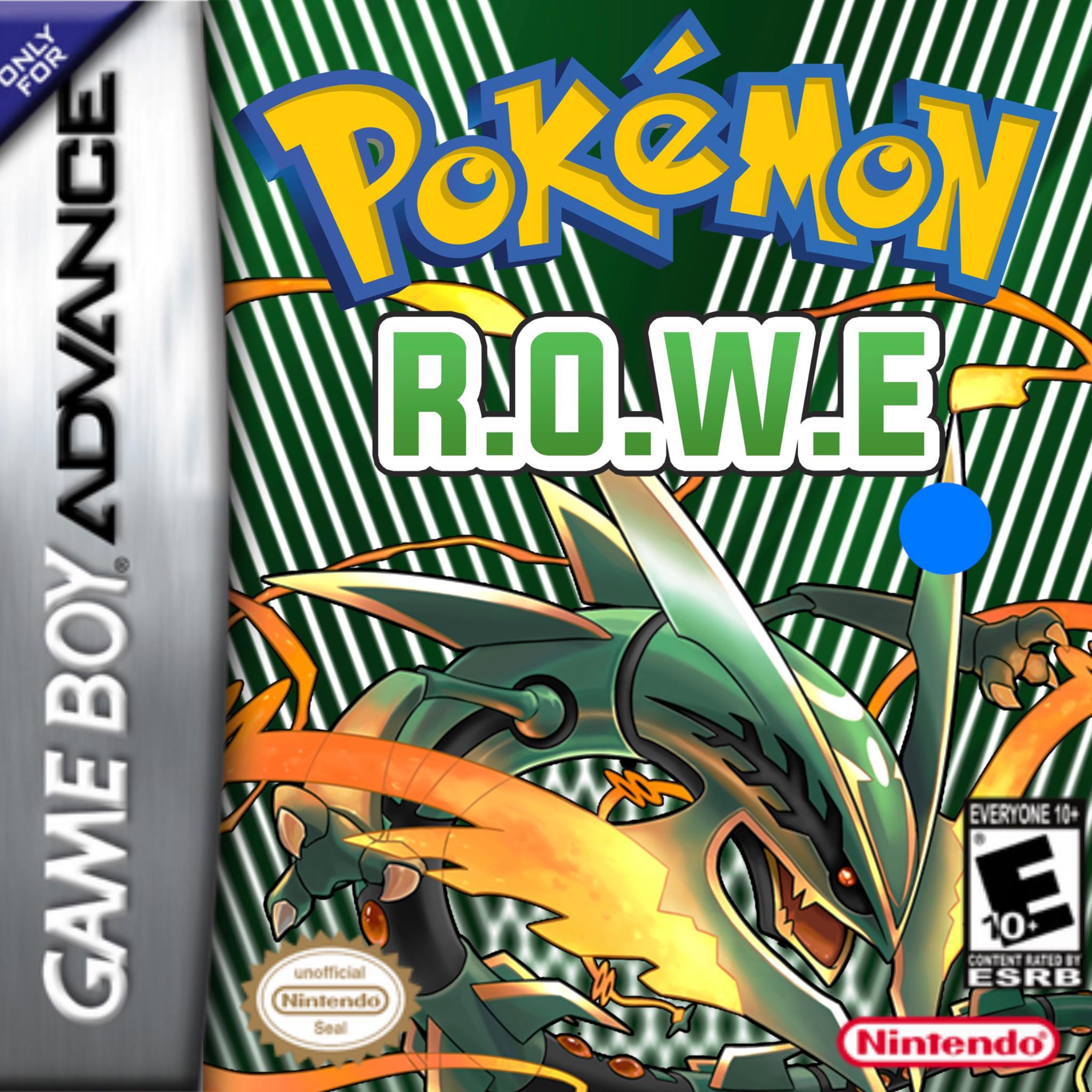
Open-world Hoenn — tackle gyms in any order with dynamic scaling, a built-in randomizer, and Nuzlocke support.
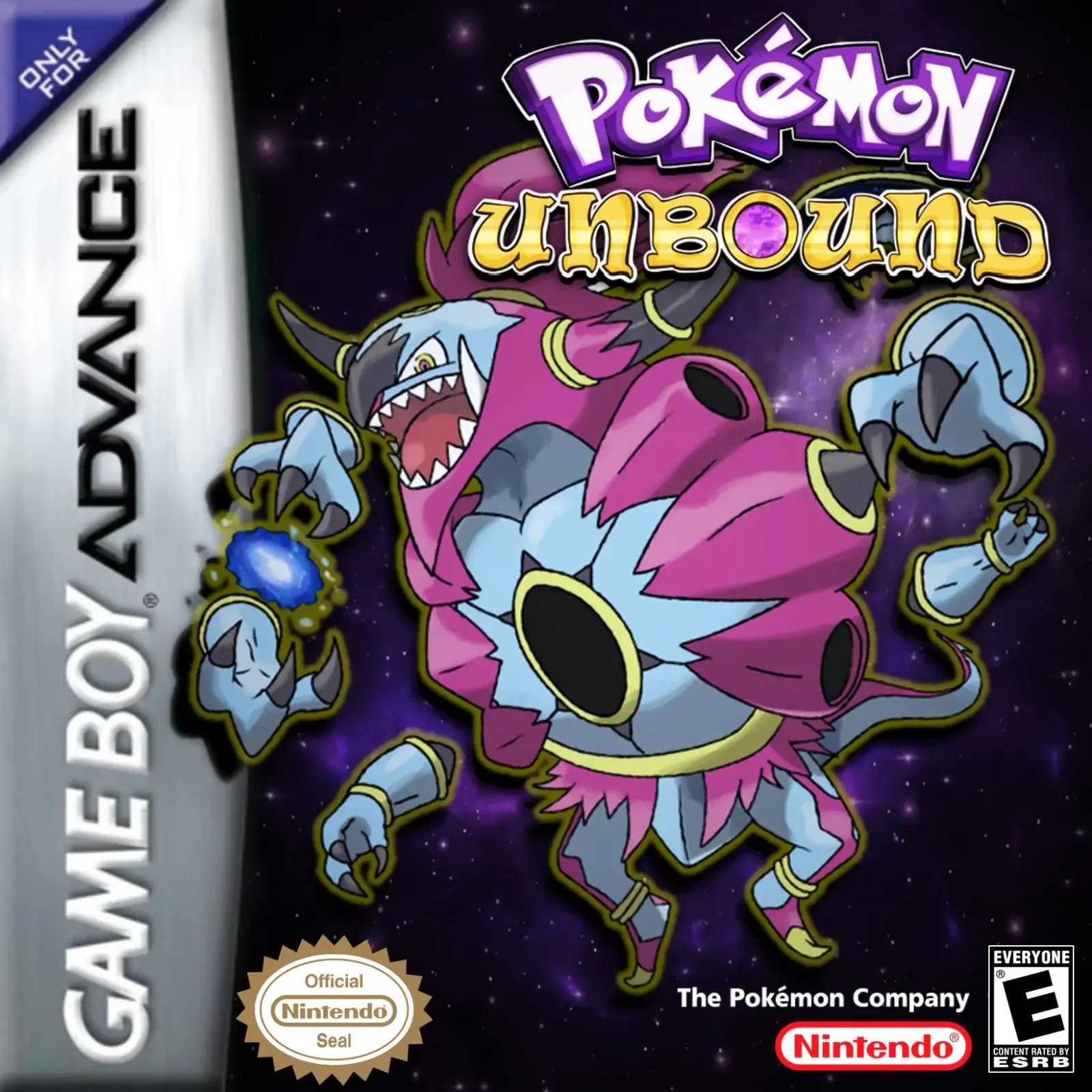
The flagship story-driven ROM hack with selectable difficulty, a mission system, and a huge postgame.

A competitive-grade FireRed difficulty hack for players who want the hardest possible single-player challenge.
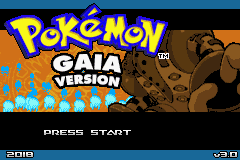
A polished new-region FireRed hack with dungeon puzzles and official-game consistency throughout.
Johto, 20 years later — 750+ Pokémon, Team Phoenix, Gen 8 engine, complete 2024 release.